Friday, 11 October 2013

Baroque - Composers

J.S Bach 

1685- 1750


Bach - Brandenburg Concerto No. 4 in G major 


Bach composed for a variety of instruments. He composed for the church organ, clavichord and harpsichord, the clavier (a keyboard instrument), and strings. The Baroque recorder and trumpet also feature in the Brandenburg Concertos.


Handel 

http://www.youtube.com/watch?v=CMcKXp1dF-I - Video biography of Handel
1685- 1759

Arrival of the Queen of Sheba

George Frideric Handel could play several musical instruments including: organ, clavichord, harpsichord and violin.
Handel is best known for his English oratorios. 
He composed solemn pieces for
state funerals, as well as joyous music to celebrate royal weddings,coronations, the end of a war and other historic events


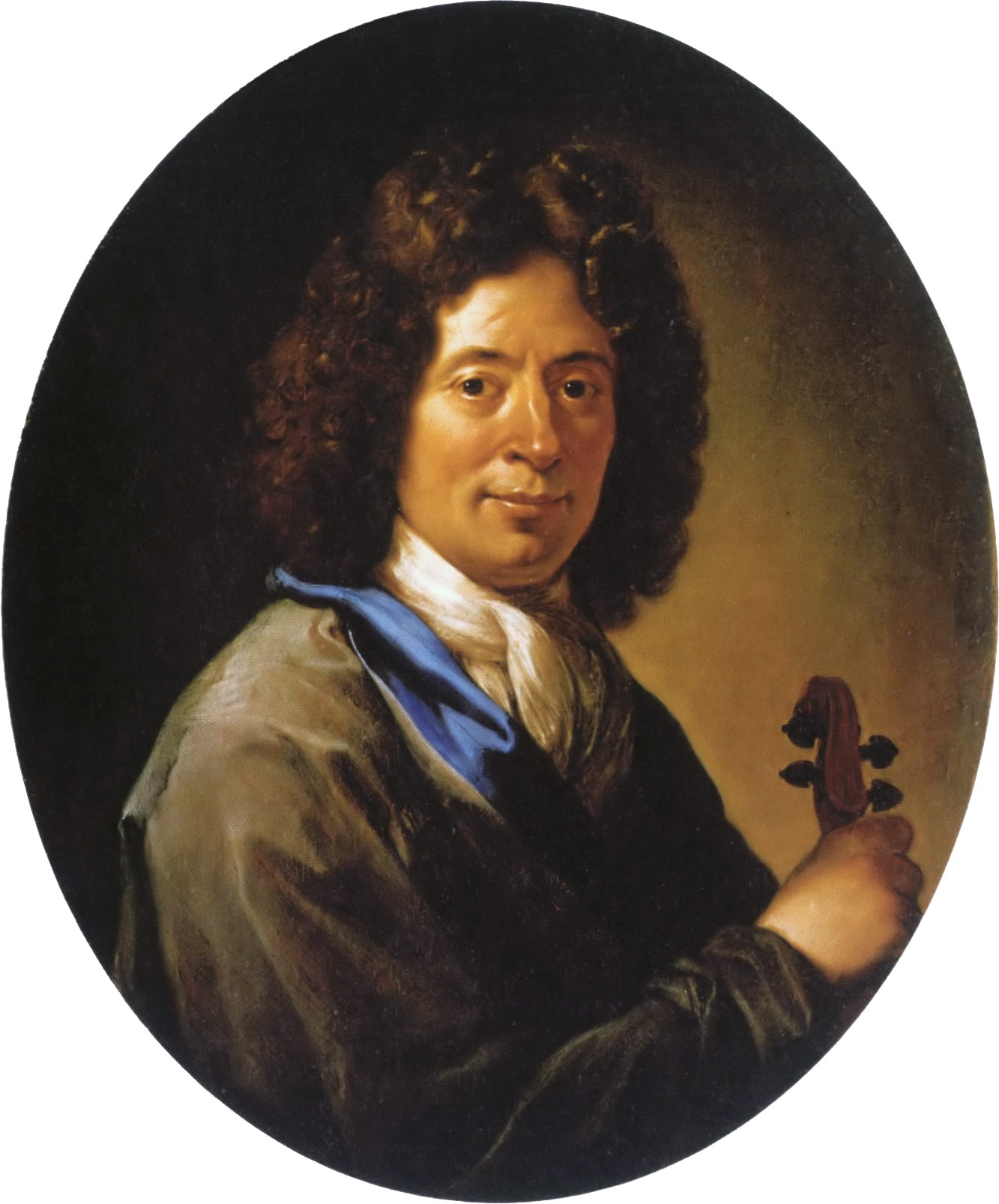
(Arcangelo)  Corelli 

1653 - 1713


Arcangelo Corelli (1653-1713) -

12 Concerti Grossi Opus


He introduced a new style of playing called cantabile, meaning singing or songlike, and taught a whole generation of violinist-composers, including George Frederick Handel and Antonio Vivaldi.
He wrote music almost exclusively for string instruments, including trio sonatas and violin sonatas.


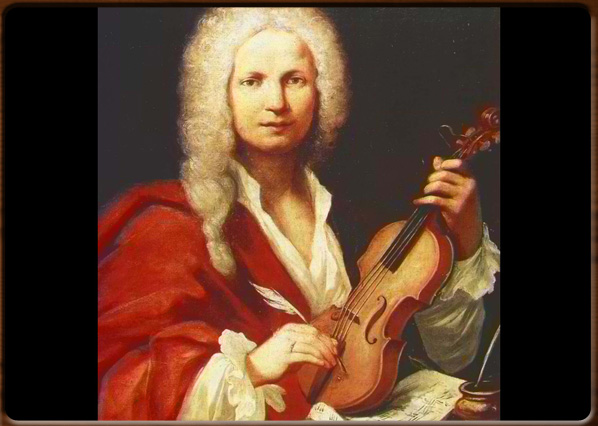
Vivaldi

http://www.youtube.com/watch?v=pu1PBU6RQM0 - Video Biography of Antonio Vivaldi 
1678-1741 

Four Seasons ~ Vivaldi


Antonio Vivaldi was a famous Italian composer who played several instruments that include: Violin, Flute, Oboe, Bassoon, Cello and Viola. Antonio composed several works which range from church music, operas, and concertos to chamber music. 


Some of his famous works are Gloria and Le quattro stagioni (The Four Seasons)

http://www.youtube.com/watch?v=RMHguvZPcqQ - Gloria


(Henry) Purcell


http://www.youtube.com/watch?v=EE-5rFLapjM - An extract from Purcell's King Arthur
Henry Purcell
 "England, my England - The Story of Henry Purcell"
1659–1695


http://www.youtube.com/watch?v=uQ8r3J85rwE

PURCELL - DIDO & AENEAS 


His ability to combine powerful English counterpoint with expressive, flexible, and dramatic word settings.
 baroque idiom, ornate melodies; many independent lines working simultaneously; regular rhythms, which can feel 'chugging' or 'jumpy'; and regular changes of harmony


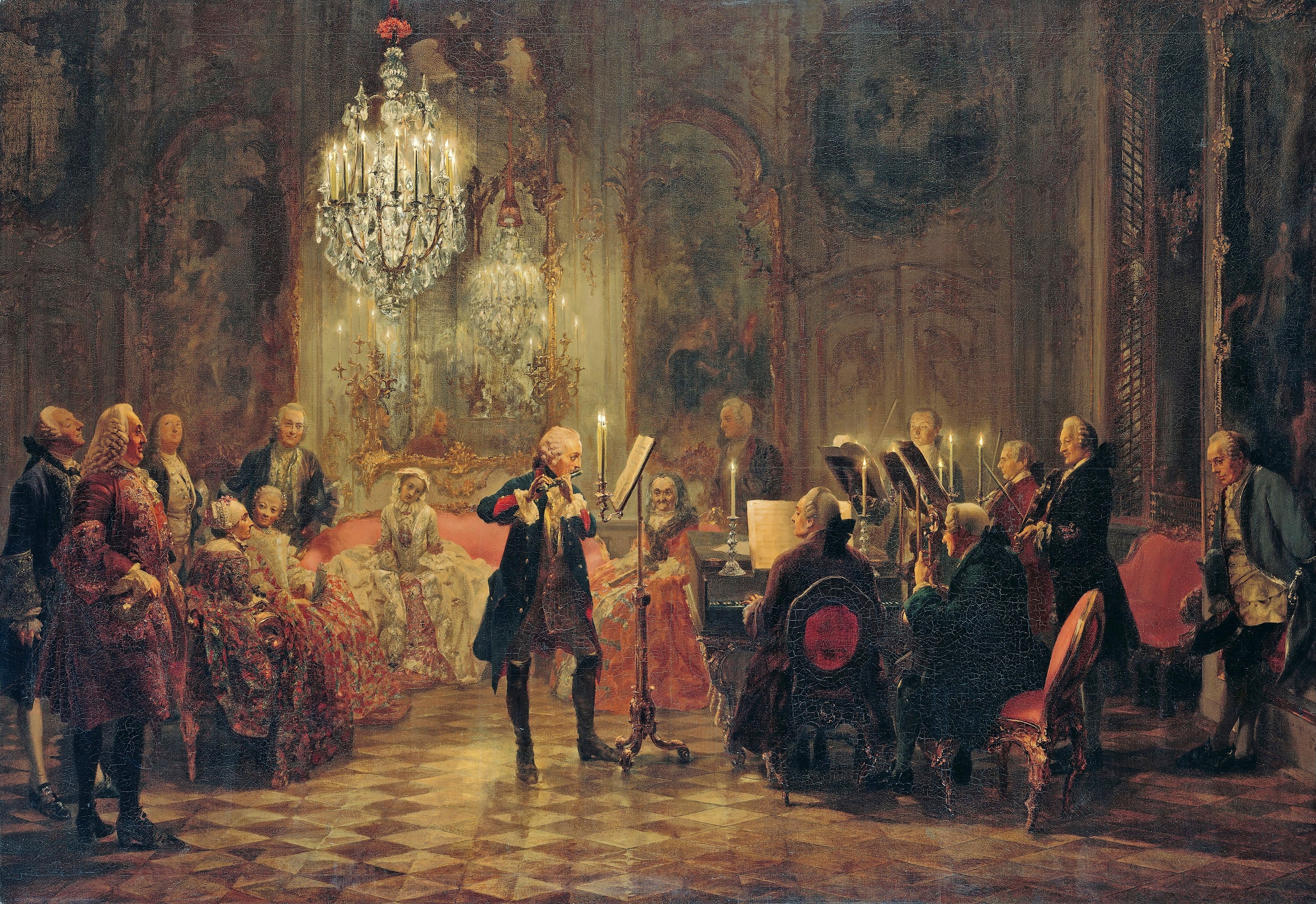

Baroque - Insturments

Baroque


Counterpoint - The Story of the Baroque Orchestra


Renaissance - Genres


Ayre: Genre of solo song with lute accompaniment that flourished in England in the late 16th and early 17th centuries

Example of an Ayre:
http://www.youtube.com/watch?v=jkRrzAo9Wl4
Composer: John Dowland "Flow my tears"

Galliard: (gaillarde in French; gagliarda in Italian) was a form of Renaissance dance and music popular all over Europe in the 16th century. It is mentioned in dance manuals from England, France, Spain, Germany and Italy among others

Example of a Galliard Dance:
.http://www.youtube.com/watch?v=8lDCxv3Hv2g

The gigue (French pronunciation: ​[ʒiɡ]) or giga (Italian: [ˈdʒiːɡa]) is a lively baroque dance originating from the British jig. It was imported into France in the mid-17th century[2] and usually appears at the end of a suite. The gigue was probably never a court dance, but it was danced by nobility on social occasions and several court composers wrote gigues.[3]

Examples of a Gigue:
http://www.youtube.com/watch?v=gaytWDL0M0k
Renaissance Music - Fantasia; Gavotte; Gigue and Minuet

http://www.youtube.com/watch?v=0REW87k_FYs

Kemp'S Gigue - English Renaissance Music

Toccata (from Italian toccare, "to touch") is a virtuoso piece of music typically for a keyboard or plucked string instrument featuring fast-moving, lightly fingered or otherwise virtuosic passages or sections, with or without imitative or fugal interludes, generally emphasizing the dexterity of the performer's fingers.

Examples of a prelude and toccata: 

Theorbo: Kapsberger; Toccata #6 (1626)


In musicvariation is a formal technique where material is repeated in an altered form. The changes may involve harmonymelody,counterpointrhythmtimbreorchestration or any combination of these.

Examples of variations:
http://www.youtube.com/watch?v=RXCaJfu8moU


The fantasia (from Italianfantasia; also English: fantasy, fancy, phantasy, GermanFantasie, PhantasieFrenchfantaisie) is a musical composition with its roots in the art of improvisation. Because of this, it seldom approximates the textbook rules of any strict musical form 

Examples of a Fantasia:
http://www.youtube.com/watch?v=dS4ii1iy9p0

Baroque - Genres

Trio Sonata - written in 3 parts, two upper parts one bass and usually performed with a keyboard continuo. (The basso continuo is usually made up of two parts, cello, bass viol or keyboard instruments, therefore 4 musicians are usually involved!)
Instrumentsviolins (or recorders, flute or oboe) plus continuo.
The continuo part was played by harpsichord (filling in the harmonies) sometimes with cello playing the bassline - so there were often four players, not three. 

http://www.bbc.co.uk/schools/gcsebitesize/music/western_tradition/sonata1.shtml - Handel’s Trio Sonata in F major. Notice the two treble recorders, the contrapuntal texture and the harpsichord continuo.


Baroque solo sonata -A sonata for one instrument with Continuo accompaniment

 "sonata" loosely meant a piece to be played rather than sung during the Baroque period and was applied to small instrumental works.
Instruments: Examples of Baroque Solo Sonatas include Bach’s sonatas for unaccompanied violin and cello (string player's repertoire) 

http://www.bbc.co.uk/schools/gcsebitesize/music/western_tradition/sonata1.shtml -Scarlatti’s Sonata in F minor K.466. - is a Solo sonata for harpsichord in Binary form


Baroque suite - Dance music emerged in the Renaissance and developed in the Baroque period. Consists of several movements or short pieces in the same key and functions as dance or dinner music.

Suite meaning a collection of small-scale pieces based on dance forms, grouped together into a set.
Based around a core of four dances, the allemande, courante, sarabande and gigue
Instruments: instrumental music espeically keyboard works

http://www.youtube.com/watch?v=REu2BcnlD34J.S. Bach Cello Suites No.1-6 BWV 1007-1012

http://www.youtube.com/watch?v=iiGgip6q0n4&list=PLF4B4166C7D7C260B - Baroque Suite Dance


Chorale prelude are a set of chorale preludes for organ prepared by Johann Sebastian Bach 
and characterized by an elaborate contrapuntal structure based on the melody of a hymn or chorale.

http://www.youtube.com/watch?v=OqfuNlsq4ac - an organ prelude by J.S Bach


Baroque opera -

Opera is an art form in which singers and musicians perform a dramatic work combining text (called a libretto) and musical score.

 Created in 1600 as entertainment the first operas featured mythological stories
In 1700 opera was reformed to seperate comedy from tradegy. Baroque opera consisted of two types seria (serious opera) and buffa opera (comic opera). 
oratorio
http://www.youtube.com/watch?v=kSd3QztxA9M 20:26 - opera voices

Händel Opera Rodelinda regina de' Longobardi,

http://www.youtube.com/watch?v=3oSsnrtQeVw - Claudio Monteverdi - L'Orfeo


Oratorio -  musical composition for voices and orchestra, telling a sacred story without costumes, scenery, or dramatic action. Text is usually based on scripture

 All words sung, there may be one or more instrumental sections without words/vocals. 
Most of the oratorios were composed in Baroque period; 
Handel and J. S. Bach were among principal composers.

An oratorio is a large scale work for orchestra and a vocal choir 

 Examples:  Messiah (Handel) and Christmas Oratorio (Bach).

Form is paired recatitivo (pure exposition prose set to music)  and aria (song on or extending recatitivo)
interspersed with chorals/choral movements. 

http://www.youtube.com/watch?v=__gnmuzq6HI -

Handel: "Hallelujah" Chorus from Messiah, an English oratorio


Cantata  - A musical composition, often using a sacred text, comprising recitatives, arias, and choruses.
Tells a narrative story through music and sometimes dialogue, just like an opera

http://www.youtube.com/watch?v=2-tipS-fA5A

BACH- CANTATAS BWV 27, 84, 95 & 161 


Words and Phrases; Vocabulary - Baroque

Virtuoso - A person highly skilled in music

Basso Continuo - Played on a keyboard instrument with other instruments such as a cello or lute the accompanying part includes a bass line and harmonies


Figured Bass - Numbers in the bass line which tell the player intended chords to play
A bass line with intended harmonies indicated by figures ( rather than written out as chords
(Typical of continuo in baroque music)

For diatonic triads:
  • root position = blank or 5/3
  • 1st Inversion = 6 or 6/3
  • 2nd Inversion = 6/4
For 7th chords:
  • root position = 7
  • 1st Inversion = 6/5
  • 2nd Inversion = 4/3
  • 3rd Inversion = 4/2

Concertino - a solo instrument or solo instruments playing with an orchestra

Ripieno - a body/group of instruments accompanying the concerto (in Baroque concerto music)

Ritornello form - a short instrumental pause (or interlude) in vocal work
A re inviting passage for an orchestra or chorus. 
The first or final movement may be in this form. The opening theme is played with voices or instruments together and returns in whole or part in different keys throughout the movement. 

Solo Concerto - solo performer playing against a baroque orchestra (Ripieno) which consisted of strings and basso continuo.


Concerto Grosso - small group of soloists (Concertino) playing against a baroque orchestra (Ripieno) which consisted of strings and basso continuo