http://www.biography.com/people/johann-sebastian-bach-9194289 - Video Biography of J.S Bach
1685- 1750


Antonio Vivaldi was a famous Italian composer who played several instruments that include: Violin, Flute, Oboe, Bassoon, Cello and Viola. Antonio composed several works which range from church music, operas, and concertos to chamber music.
Some of his famous works are Gloria and Le quattro stagioni (The Four Seasons)
http://www.youtube.com/watch?v=RMHguvZPcqQ - Gloria
(Henry) Purcell
http://www.youtube.com/watch?v=EE-5rFLapjM - An extract from Purcell's King Arthur
 "England, my England - The Story of Henry Purcell"
1659–1695
http://www.youtube.com/watch?v=uQ8r3J85rwE
His ability to combine powerful English counterpoint with expressive, flexible, and dramatic word settings.
baroque idiom, ornate melodies; many independent lines working simultaneously; regular rhythms, which can feel 'chugging' or 'jumpy'; and regular changes of harmony

Bach composed for a variety of instruments. He composed for the church organ, clavichord and harpsichord, the clavier (a keyboard instrument), and strings. The Baroque recorder and trumpet also feature in the Brandenburg Concertos.
Handel
http://www.youtube.com/watch?v=CMcKXp1dF-I - Video biography of Handel
1685- 1759

George Frideric Handel could play several musical instruments including: organ, clavichord, harpsichord and violin.
Handel is best known for his English oratorios.
He composed solemn pieces for
state funerals, as well as joyous music to celebrate royal weddings,coronations, the end of a war and other historic events
(Arcangelo) Corelli
http://www.classicsforkids.com/composers/bio.asp?id=15 - Written biography of Corelli
1653 - 1713
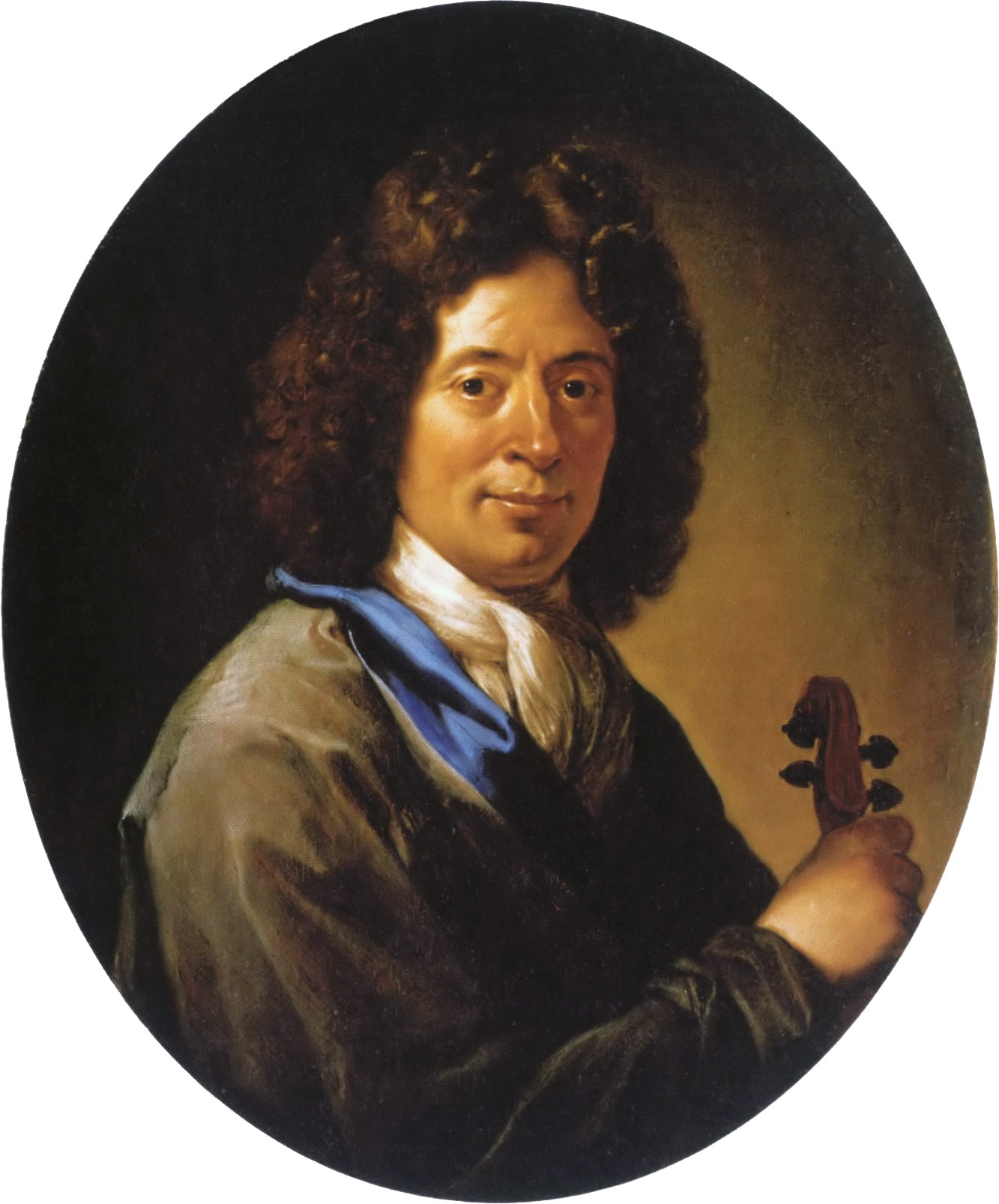
He introduced a new style of playing called cantabile, meaning singing or songlike, and taught a whole generation of violinist-composers, including George Frederick Handel and Antonio Vivaldi.
He wrote music almost exclusively for string instruments, including trio sonatas and violin sonatas.
Vivaldi
http://www.youtube.com/watch?v=pu1PBU6RQM0 - Video Biography of Antonio Vivaldi
1678-1741
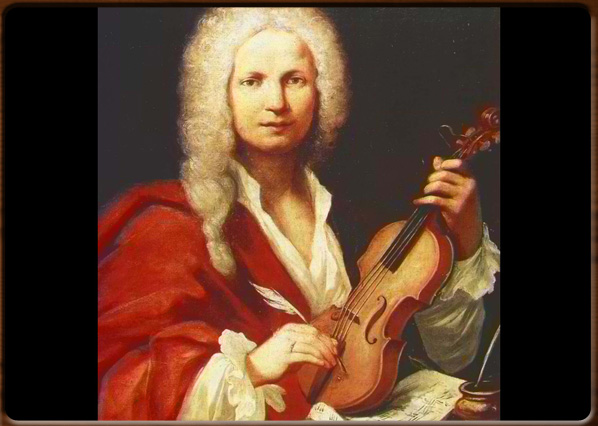
Antonio Vivaldi was a famous Italian composer who played several instruments that include: Violin, Flute, Oboe, Bassoon, Cello and Viola. Antonio composed several works which range from church music, operas, and concertos to chamber music.
Some of his famous works are Gloria and Le quattro stagioni (The Four Seasons)
http://www.youtube.com/watch?v=RMHguvZPcqQ - Gloria
(Henry) Purcell

1659–1695
http://www.youtube.com/watch?v=uQ8r3J85rwE
His ability to combine powerful English counterpoint with expressive, flexible, and dramatic word settings.
baroque idiom, ornate melodies; many independent lines working simultaneously; regular rhythms, which can feel 'chugging' or 'jumpy'; and regular changes of harmony

No comments:
Post a Comment